What are the common signs of water damage?
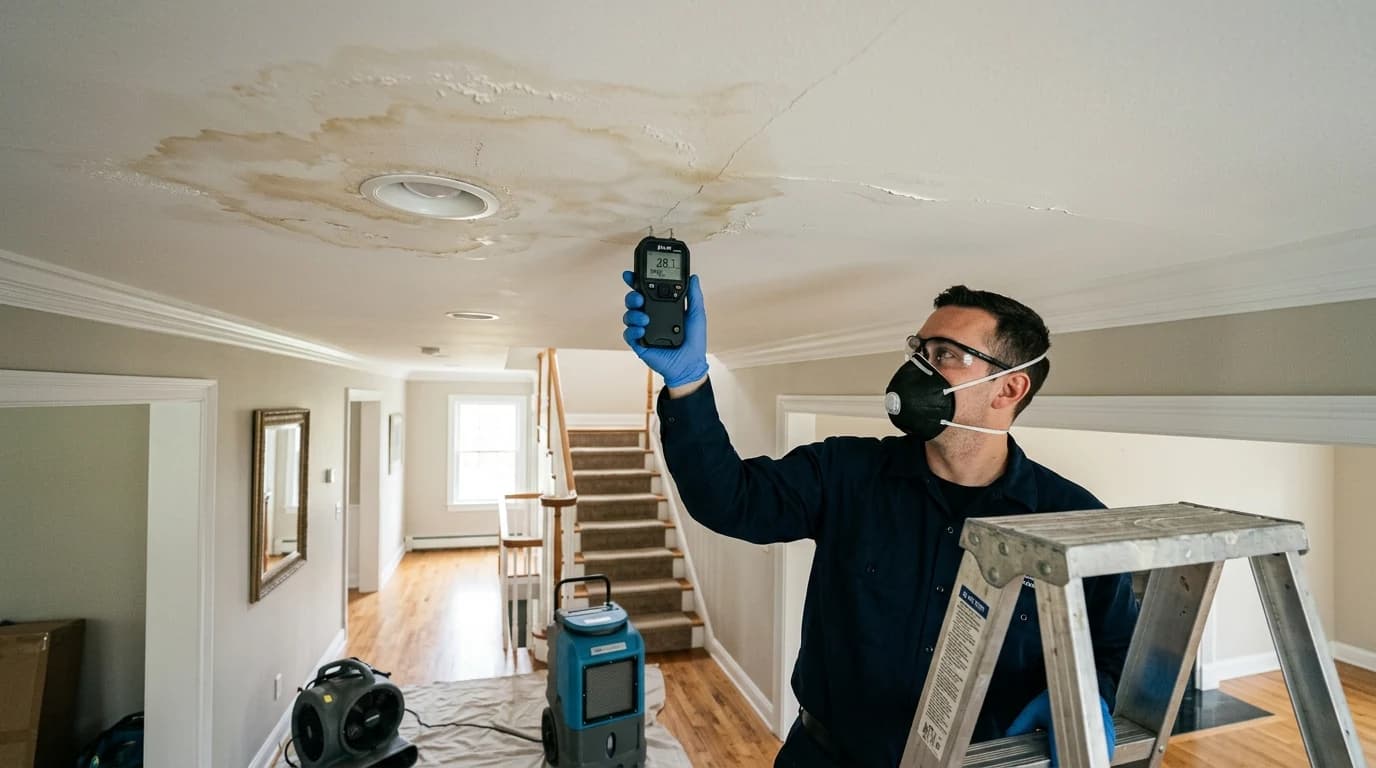
Recognizing the common signs of water damage can help you address issues before they become severe. Look for discoloration on walls and ceilings, which often indicates a leak. Such discolorations typically appear as yellow or brown stains and might be accompanied by a softening of the drywall. Warped or stained floors can also be a sign of water intrusion. This is especially noticeable in hardwood flooring, where boards might start to cup or buckle. Musty odors are another giveaway, suggesting mold growth due to moisture. Mold can start growing within 24-48 hours of water exposure, so a persistent musty smell should not be ignored. Pay attention to any fluctuation in humidity levels in your home as well. High humidity can exacerbate water damage and lead to condensation on windows, which might drip and cause water stains on walls and sills. Additionally, peeling paint or wallpaper is a common sign, as moisture causes the adhesive to weaken. If you notice paint bubbling or wallpaper peeling, it could indicate moisture behind the surface.
How can I inspect my home for water damage?
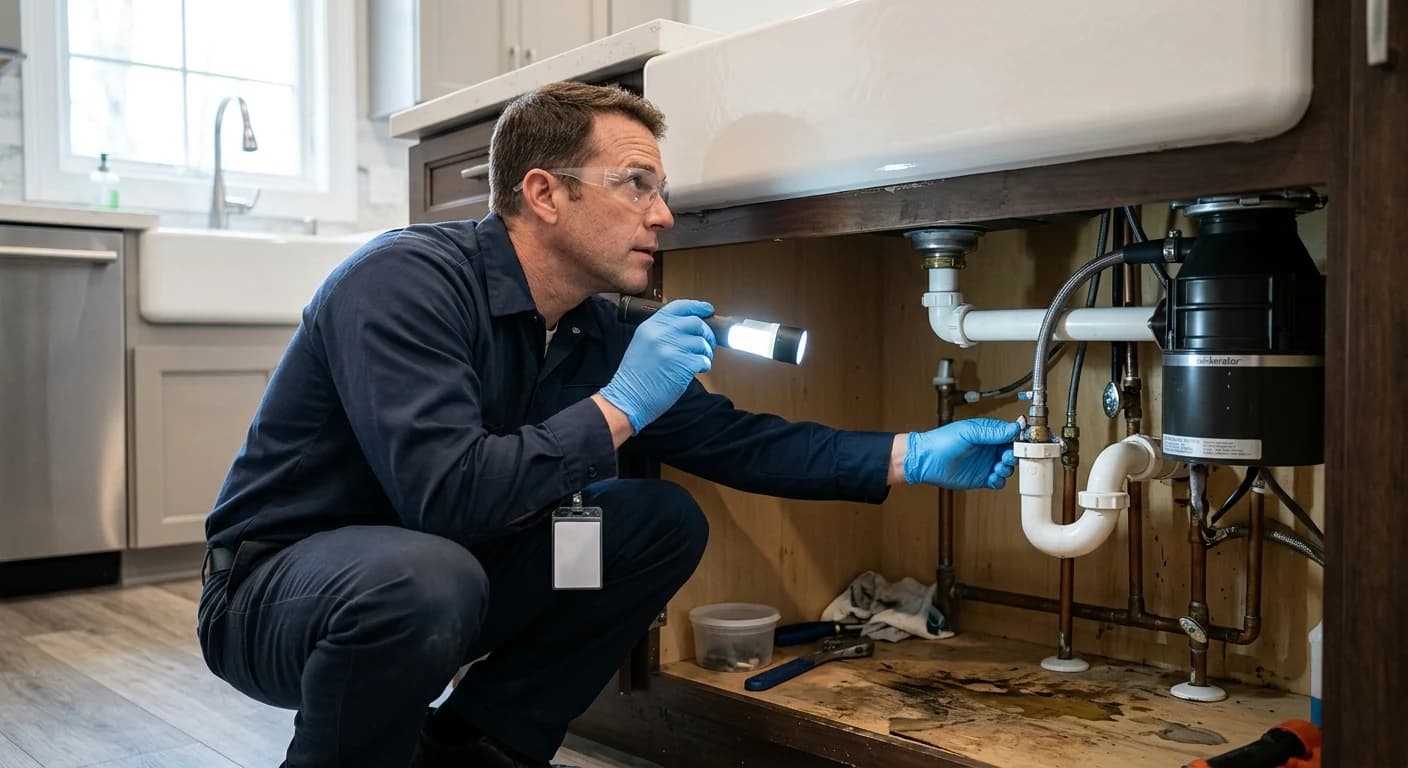
Conducting a thorough inspection of your home can reveal signs of water damage. Start by checking under sinks and around appliances like dishwashers, washing machines, and water heaters for any leaks or pooling water. These areas are prone to leaks due to constant water usage and aging connections. Inspect the attic for roof leaks by looking for wet insulation or water stains on the rafters. Ensure that gutters and downspouts are clear of debris, as clogged gutters can cause water to overflow and seep into the foundation or walls. Examine the basement or crawl space for any standing water or damp areas. Use a flashlight to check for any cracks in the foundation, which can allow water entry. Regular maintenance checks, such as inspecting seals around bathtubs and showers for cracks or gaps, can help identify issues early, potentially saving thousands in repairs. If you notice any condensation or mold growth around windows and doors, it could indicate poor insulation or sealing. For more details on our services, visit our services page.
When should I call a professional?
If you spot any signs of water damage that you can't fix yourself, it's time to call a professional. Delaying repairs can lead to more extensive damage and costly repairs. A water damage restoration company can provide an expert assessment and recommend the best course of action. They have specialized tools, such as moisture meters and infrared cameras, to detect hidden moisture behind walls or under floors. In Upper Saddle River, NJ, prompt professional intervention is key to preventing further damage. Professionals can also help with mold remediation, ensuring that any mold growth is thoroughly removed and that the affected areas are treated to prevent future outbreaks. If structural damage is suspected, professionals can assess the severity and suggest repairs to ensure the safety and integrity of your home. Remember, addressing water damage early can prevent additional problems like electrical hazards or compromised structural integrity.
Preventive Measures to Avoid Water Damage
Preventing water damage begins with regular maintenance and proactive measures. Start by inspecting your roof at least twice a year. Look for missing or damaged shingles and ensure that flashing around chimneys and vents is intact. Keeping your roof in good condition prevents water from seeping into your home during storms. Another critical area is your plumbing system. Regularly check pipes for leaks or corrosion, especially in older homes where plumbing systems may be more prone to issues. Installing water leak detectors near high-risk areas like water heaters and under sinks can alert you to leaks before they cause significant damage. Additionally, maintaining your home's exterior is crucial. Ensure that the grading around your home slopes away from the foundation, preventing water from pooling and seeping into the basement. Seal any cracks in your foundation or walls to keep moisture out. Inside, control humidity levels with dehumidifiers, especially in basements and bathrooms, to prevent condensation and mold growth. Finally, consider installing a sump pump if your home is prone to flooding. Regular testing and maintenance of the sump pump can ensure it works when you need it most. By adopting these preventive measures, you can significantly reduce the risk of water damage and protect your home.
Understanding the Insurance Aspect of Water Damage
Navigating the insurance process for water damage can be daunting, but understanding your policy is crucial. First, review your homeowner's insurance policy to determine what types of water damage are covered. Typically, sudden and accidental events like burst pipes are covered, but gradual damage, such as slow leaks, might not be. It's essential to document any damage as soon as you notice it. Take clear photos and notes detailing the extent of the damage and the circumstances leading to it. This documentation can be invaluable when filing a claim. Contact your insurance company promptly to report the damage and initiate the claims process. Be prepared to provide all necessary documentation and answer questions about the incident. In some cases, your insurer may send an adjuster to assess the damage in person. To ensure you receive a fair settlement, consider getting an independent assessment from a water damage restoration expert. They can provide a detailed report and cost estimate for repairs. Additionally, keep records of all communication with your insurer and any repair receipts. Understanding these insurance aspects can help streamline the process and ensure you get the coverage you need to restore your home effectively.
Effective Water Damage Mitigation Strategies
Once you've identified water damage, acting quickly is crucial to mitigate further issues. Start by stopping the source of water if possible. Turn off the main water supply if a pipe has burst or a significant leak is present. For smaller leaks, using plumber's tape or a temporary patch can help until a professional repair is made. Next, focus on removing excess moisture. Use a wet/dry vacuum to extract standing water and dehumidifiers to reduce humidity levels. Fans can also help circulate air, but avoid using them if mold is already present, as this can spread spores. If the damage is extensive, removing wet materials such as carpets, padding, and drywall may be necessary to prevent mold growth. Clean and disinfect any affected areas to kill bacteria and mold spores. A mixture of water and mild detergent or a commercial disinfectant can be effective. Ensure that all areas are thoroughly dried before beginning repairs. If you're dealing with sewage water, it's best to contact professionals due to health risks. Regularly monitor the affected area for signs of mold or further damage. By taking these immediate steps, you can minimize the impact of water damage and protect your home from further issues.
Choosing the Right Water Damage Restoration Service
Selecting a reliable water damage restoration service is vital to ensure your home is properly restored. Start by researching local companies and reading reviews from past customers. Look for companies with certifications from recognized industry organizations, such as the Institute of Inspection, Cleaning and Restoration Certification (IICRC), which ensures adherence to industry standards. It's also beneficial to choose a company that offers a comprehensive range of services, including water extraction, drying, dehumidification, and mold remediation. Inquire about their response time; a quick response is crucial in minimizing damage. Ask if they provide 24/7 emergency services, as water damage often occurs unexpectedly. Additionally, verify that the company is fully insured and licensed to operate in your area. Request a detailed estimate before work begins, and ensure that all costs are transparent. Some companies offer assistance with insurance claims, which can simplify the process for homeowners. Finally, trust your instincts during your initial interaction with the company. Choose a service that communicates clearly and exhibits professionalism. By carefully selecting a reputable restoration service, you can ensure efficient and effective recovery from water damage, safeguarding your home and peace of mind.